
Man’s Chief End
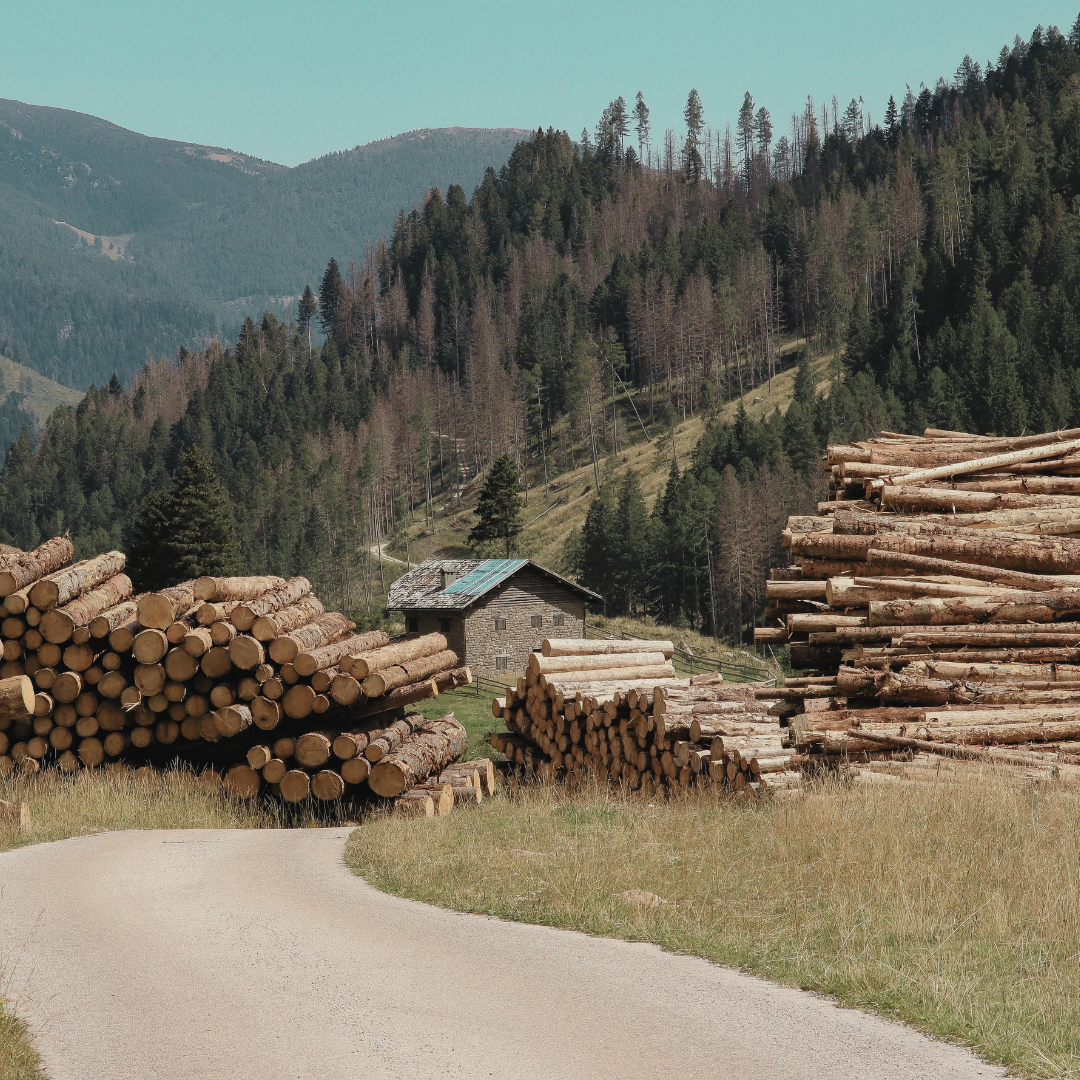
“Go up into the mountains and bring down timber and build the house, so that I may take pleasure in it and be honored,” says the LORD.
Haggai 1:8
More than 18 years had passed since that group of Israelites, exiled in Babylon, had chosen to return to Jerusalem to rebuild God’s temple. In the beginning the building went well. The foundation was laid and all the people gave a great shout of praise to the LORD (Ezra 3:11). And then trouble set in from the enemies of the Jews, and the work on the house of God in Jerusalem came to a standstill (Ezra 4:24).
Enter the prophet Haggai with four messages from God to the people. In the first, “give careful thought to your ways” (Haggai 1:5,7) would certainly have caught my attention. The reason: God’s house remains a ruin. After all, God had orchestrated their return to Jerusalem to rebuild the temple.
Excuses were rampant. It’s not the right time (Haggai 1:2). We have to panel our own houses (Haggai 1:3). We don’t have enough food nor drink nor warm clothes nor money (Haggai 1:6). But God was quick to counter: your problems are of your own doing (Haggai 1:9-11).
God’s word cut to the bone: “Is it a time for you yourselves to be living in your paneled houses, while this house remains a ruin?” (Haggai 1:3).
You see, the Temple was considered God’s earthly dwelling place from the time of its dedication by Solomon, when the glory of the LORD filled the temple (2 Chronicles 7:1).* And so rebuilding God’s house was key. It was in His house that He would be honored by His people. And in that He would take pleasure.
As we read in the Westminster Shorter Catechism, #1: “Man’s chief end is to glorify God and enjoy him forever.” Jesus said this: “I have come that they may have life, and have it to the full” (John 10:10). In the presence of God there is that fullness of life that will overflow into living to give Him glory.
Matthew 6:33, “But seek first his kingdom and his righteousness, and all these things will be given to you as well.”
Nancy P
*biblehub.com
All Scripture quotations are from the NIV Translation 1973, 1978, 1984, unless otherwise noted